Architecture

Equestrian Estates and the Luxury of Space in Dripping Springs

Explore how Dripping Springs offers discerning Austin buyers the rare combination of equestrian lifestyle and expansive estate living, with a focus on privacy, land, and refined architectural character.

July 15, 2026 3 min read

Jason and Henriett of Hastings & Novak Estates Group guide luxury buyers through the unique appeal of equestrian estates in Dripping Springs, where space and lifestyle converge beyond Austin’s core.

Dripping Springs: Where Equestrian Living Meets Estate Privacy

As Austin luxury advisors with Hastings & Novak Estates Group, we often guide clients who appreciate the established neighborhoods of West Lake Hills and Rollingwood but find themselves drawn to the expansive lifestyle that Dripping Springs offers. Unlike the more compact lots in 78746 or Tarrytown, Dripping Springs presents a distinct architectural canvas where equestrian estates and generous acreage redefine privacy and space.

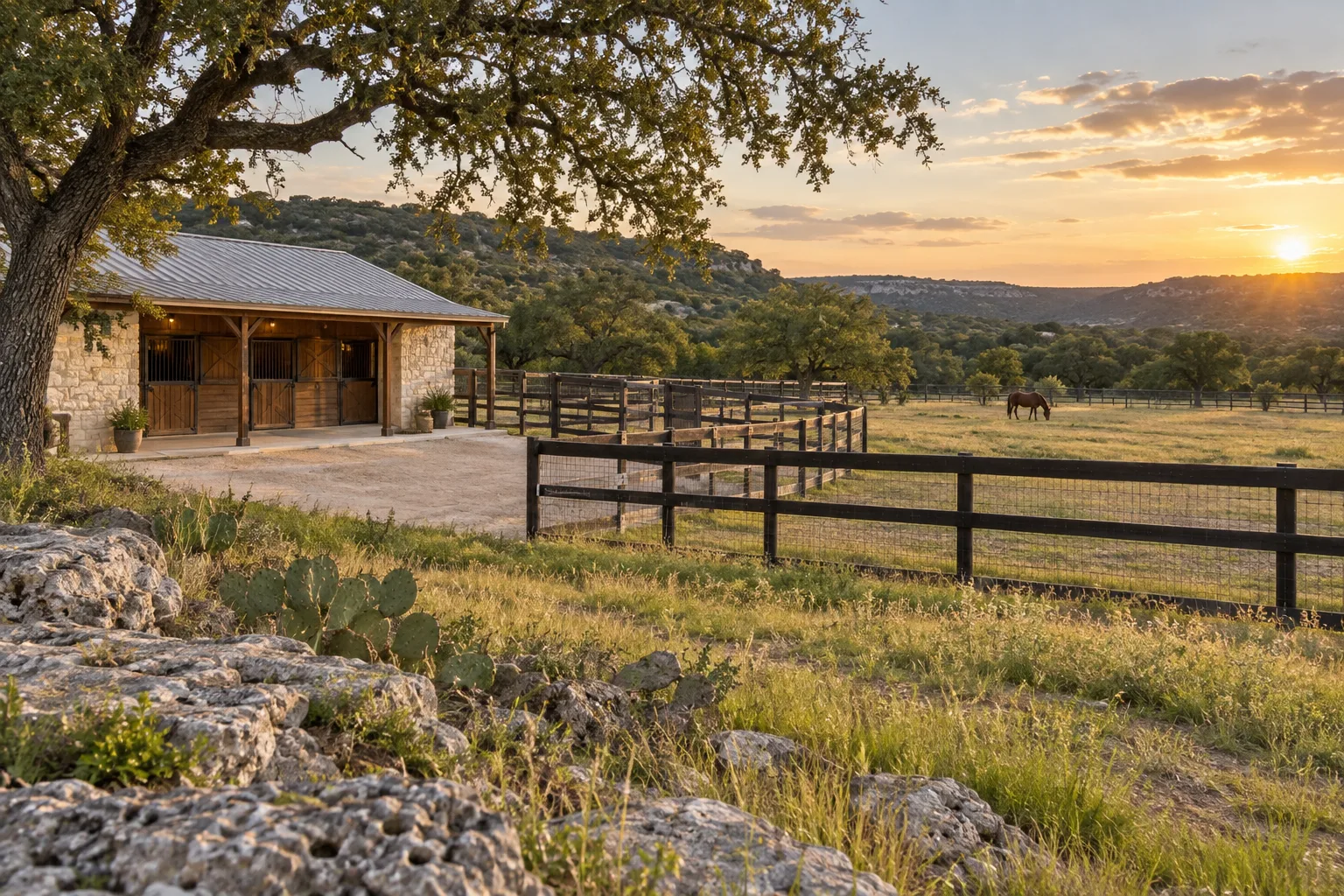
For buyers seeking acreage with room for horses, barns, and riding rings, Dripping Springs delivers a lifestyle that blends Hill Country charm with modern luxury. The architecture here is less about tight lot lines and more about how the home and outbuildings interact with the land. We usually tell clients that this is where you can truly experience the luxury of space, a contrast to the more urban luxury condos downtown or the golf-course gated communities like Barton Creek.

Architectural Features That Support Equestrian and Estate Living

In Dripping Springs, the architecture of equestrian estates often embraces natural materials and open floor plans that connect indoor spaces with the outdoors. Stone, timber, and metal roofs are common, reflecting the rugged yet refined Hill Country aesthetic. These homes prioritize functionality alongside elegance — oversized garages for trailers, tack rooms, and covered outdoor arenas are thoughtfully integrated into the estate layout.

On a second tour, buyers often notice how these estates balance scale and intimacy. The main house may offer expansive living areas with vaulted ceilings and large windows overlooking pastures, but the design also respects privacy for both residents and animals. Compared to Davenport Ranch or Rob Roy, where lot sizes are smaller and equestrian facilities limited, Dripping Springs estates provide a rare opportunity to customize a property tailored to riding and ranching pursuits.

Land, Location, and Lifestyle Considerations Beyond Austin’s Core

Choosing Dripping Springs means embracing a lifestyle anchored in nature and space, but still within reasonable reach of Austin’s core via Bee Cave Road or Loop 360. We often remind clients relocating from West Lake Hills or Spanish Oaks that the tradeoff here is a longer commute for a quieter, more private setting. However, the proximity to local wineries, Hill Country trails, and top-tier amenities offers a lifestyle that many find unmatched.

For families, the school district context is important but nuanced. Dripping Springs ISD serves the area well, though it differs from the Eanes ISD zones in Rollingwood or Pemberton Heights that some buyers may be more familiar with. The better question is how the estate’s land and layout support long-term living and lifestyle goals, including riding, gardening, or simply having space for children to roam safely.

What Matters Most After Move-In: Privacy, Functionality, and Community

From our experience, the real decision for equestrian estate buyers often crystallizes after the first few weeks in the home. Privacy is paramount—not just from neighbors but in how the property handles wind, dust, and access. We see clients appreciate gated entries, natural tree buffers, and thoughtful fencing that balances security with aesthetics.

Functionality extends beyond the house to the land itself. Water access, pasture quality, and barn placement become daily considerations. Buyers moving from smaller lots in neighborhoods like Tarrytown or Pemberton Heights often remark on how these elements redefine their sense of home. While community may feel more dispersed than in urban enclaves, local equestrian networks and events help maintain a connected lifestyle that’s still distinctly Austin.